
Outdoor Kitchens Built to Handle Daily Cooking Use
Outdoor Kitchen Masonry in Noble for homeowners needing permanent, functional stone construction in exterior living spaces
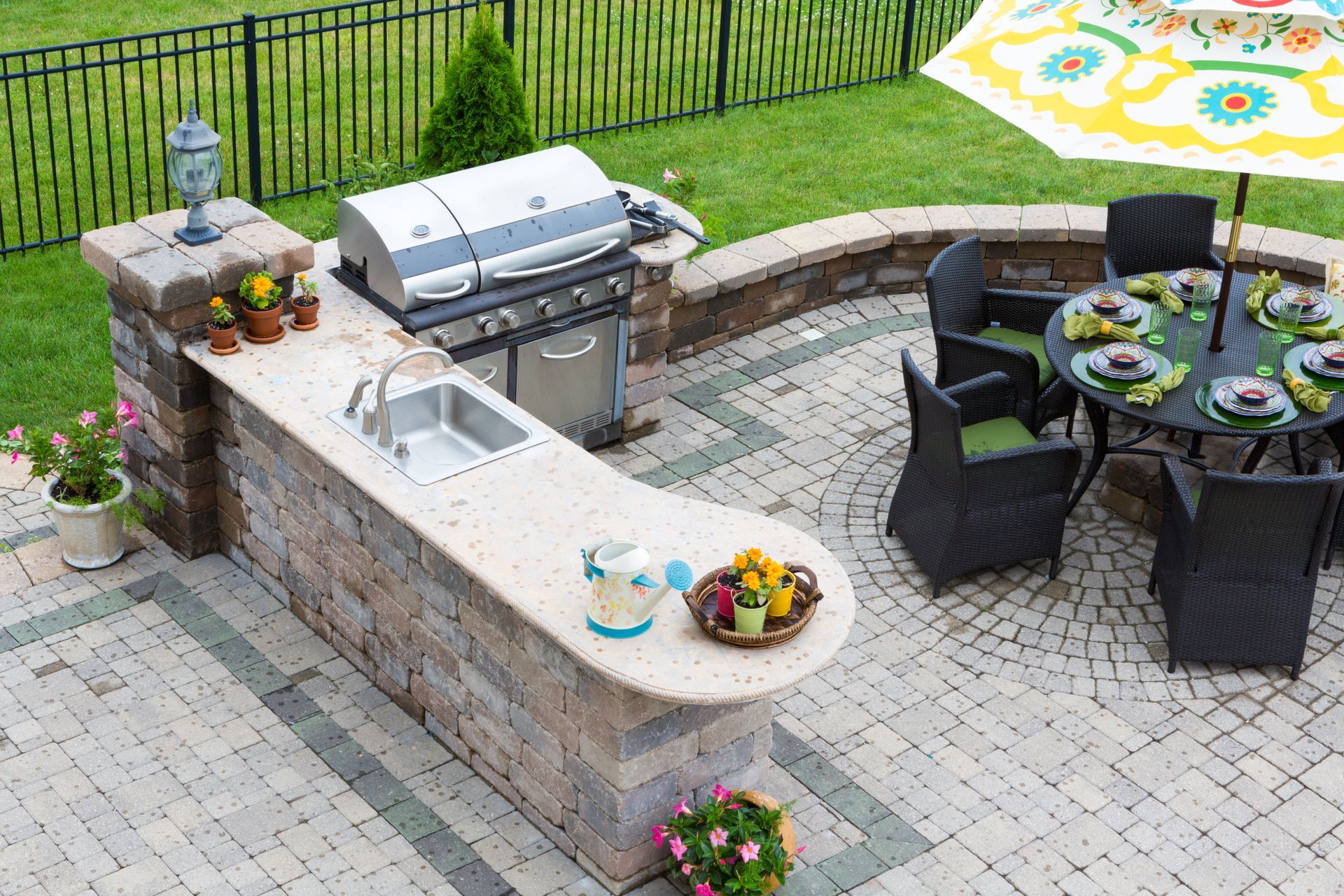
A properly built outdoor kitchen starts failing the moment the wrong materials are used—concrete board veneers crack, mortar applied without the right mix crumbles at joints, and countertop surfaces degrade where heat and grease meet an inadequate substrate. Magic Masonry in Noble builds outdoor kitchens in stone masonry that hold up under the sustained heat and direct use that outdoor cooking produces. The work covers the full Oklahoma City metro, from homeowners in Yukon looking to complete a backyard renovation to properties in El Reno where exterior entertaining space is being added to an existing structure.
The owner quotes outdoor kitchen projects from photos whenever the scope allows it, which keeps design costs low by eliminating unnecessary early site visits. For larger or more complex builds—those with integrated appliances, multiple countertop elevations, or structural connections to an existing patio—a site visit is scheduled to confirm placement, measurements, and material sequencing before final pricing is set. Material sourcing and construction timing are coordinated to align with any other exterior work happening on the property at the same time.
Send photos of your backyard space and a description of what you want the kitchen to include to start the quoting process without delay.
What Proper Outdoor Kitchen Masonry Requires
Outdoor kitchens built in stone masonry involve more than stacking block and applying a veneer. The base structure must be built to bear appliance weight without settling, the countertop substrate must be compatible with the finished surface material, and any area near a grill or burner requires stone or mortar that handles repeated exposure to direct heat without spalling. Every one of these decisions is made during the layout and material selection phase, not improvised on site once construction begins.
After the build is complete, the difference is visible in how the structure sits: level countertop surfaces, consistent joint lines across the stone facing, and an overall form that reads as a permanent exterior feature rather than something assembled from a kit. Magic Masonry finishes joints to shed standing water rather than trap it, which prevents the slow deterioration that causes mortar failure in outdoor structures within a few years of installation.
Outdoor kitchen scope varies considerably depending on what is included—countertop length, number of appliance cutouts, integration with a covered patio structure, and whether a bar or seating wall is part of the same build. Each of these elements affects material volume and construction sequencing, which is why confirming the full scope before pricing is set protects both the timeline and the final cost.
Answers About How the Work Is Done
Outdoor kitchens involve a combination of structural, material, and layout decisions that affect how the finished space functions. These questions cover the practical side of how that work gets done.
What happens during the photo-based quoting process for an outdoor kitchen?
You submit photos of the planned area along with details about appliances and layout, and the owner reviews them to provide an accurate estimate—this works for roughly 80 percent of outdoor kitchen projects without requiring an initial site visit.
How is stone selected for an outdoor kitchen to match the existing exterior of the home?
Stone type, color, and mortar tone are compared against the home's existing masonry or siding during the material confirmation phase so the finished kitchen reads as an intentional extension of the exterior rather than an afterthought.
Why does base construction matter more than the stone facing on an outdoor kitchen?
The base structure carries appliance weight and must remain level over time; if the substrate settles or cracks, the stone facing above it will follow—so structural soundness of the base is confirmed before any finish material is applied.
What should you confirm about joint finishing before an outdoor kitchen project starts?
Joints on exterior masonry should be struck in a profile that sheds standing water rather than cupping it—a recessed or slightly raked joint on a horizontal surface will hold water and accelerate mortar failure in exposed outdoor conditions.
How does Magic Masonry handle coordination when an outdoor kitchen is part of a larger backyard project?
The owner aligns material delivery and construction sequencing with other work happening on the property so masonry is completed in the right order relative to decking, roofing, or utility rough-ins that tie into the same area.
Magic Masonry also builds outdoor kitchens in Cherokee, Yukon, Edmond, Norman, and El Reno. To move forward, share photos of your backyard and the features you want included so an accurate estimate can be prepared based on your specific layout.